
Grease shelf life – what the conflicting guidelines actually mean
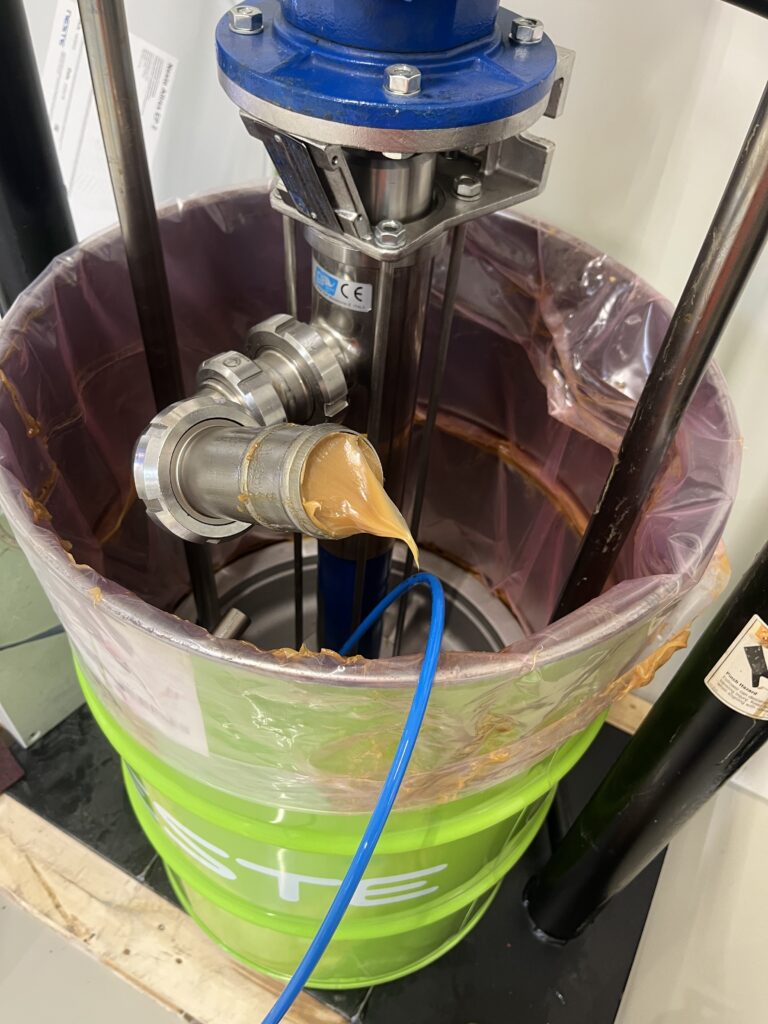
The answer depends on which guideline you follow – and they don’t agree.
The grease shelf life confusion
Ask different sources how long grease lasts in storage and you’ll get different answers:
| Source | Recommended shelf life* (general) | Notes |
|---|---|---|
| ExxonMobil | 5 years (typically) | Oils and greases, properly stored, sealed containers. |
| Petro-Canada | 5 years (NLGI 1+), and 3 years (NLGI 0 and below) | Softer grades get shorter life. |
| Chevron | 3 years (mineral or synthetic) | Known exceptions: 1 and 2 years. |
| Wills & Landsdown (textbook) | 12 months (NLGI 1+), 6 months (soft greases) | Conservative academic guidance. |
* Note: Shelf lives are estimates. They are based on the assumption that the optimum storage conditions apply. Always check the specific product information.
The table shows a five-fold difference between the most conservative and most generous recommendations. Machinery Lubrication noted that ”because of the lack of consensus, we unfortunately cannot recommend a best practice to end users”.
The confusion isn’t carelessness. It reflects genuine variability in how greases behave over time, depending on formulation, storage conditions, and what ”still usable” means for a given application.
Why grease changes in storage
Grease is roughly 70-95% base oil held in suspension by a thickener matrix, typically a metal soap like lithium, calcium, or aluminum complex. The thickener acts like a sponge, trapping base oil in microscopic voids and releasing it under mechanical stress or heat.
That structure isn’t perfectly stable. Over time, two things happen:
Static oil bleed:
Base oil gradually separates from the thickener and migrates to the surface. You see it as a puddle of free oil on top of the grease. The NLGI FAQ confirms this is normal:
”Oil naturally tends to separate from lubricating grease over time in storage. Storage conditions such as a warm environment can accelerate this separation.”
Consistency change:
Greases can harden or soften during storage. Age hardening occurs when thickener structures cross-link or densify. Softening happens when the thickener degrades or when agitation during transport breaks down the soap matrix. Either direction can push the grease outside its original NLGI grade.
Schaeffer Oil’s technical bulletin explains that static bleeding ”does not result in the grease being unsuitable for use” in most cases; the separated oil can be stirred back in or decanted off. But it adds uncertainty. How much oil loss is acceptable? At what point has the grease’s consistency shifted enough to affect performance?
What accelerates degradation of grease
Storage conditions matter more than calendar time. A drum stored properly for three years may outperform one stored poorly for six months.
Factors that accelerate grease aging:
- Heat: Temperatures above 30°C (86°F) speed oil separation. Mobil’s guidelines recommend storage below this threshold. Direct sunlight or proximity to heat sources – furnaces, steam pipes, south-facing walls – compounds the problem.
- Temperature cycling: Repeated expansion and contraction stresses the thickener matrix and accelerates bleed. This overlaps with drum breathing: the same conditions that pull contaminants in also degrade the grease faster.
- Vibration: Transport vibration and proximity to operating machinery can work the grease mechanically, altering consistency.
- Partial containers: Once opened, grease oxidizes faster. Air contact at the surface accelerates degradation. Uneven surfaces – divots from scooping – increase exposed area.
- Soft grades: NLGI 00, 0, and 1 greases separate oil more readily than firmer grades. Their looser thickener structure holds base oil less tightly.
In short, a drum of NLGI 00 semifluid grease stored in a hot warehouse for two years is a different product than the same formulation kept at 20°C (68°F) for six months. The same can go for grease transported to mining operations overseas.
The NLGI testing recommendation
The NLGI doesn’t set a hard shelf life limit. Instead, it recommends that grease older than one year ”be inspected and the worked penetration tested to ensure that the grease is still within its intended NLGI grade”.
Worked penetration (ASTM D217) measures consistency by dropping a standard cone into a grease sample that’s been mechanically worked. The depth of penetration corresponds to an NLGI grade. If the grease has hardened or softened beyond its original grade band, it may not perform as specified.
This approach makes sense. A calendar date can’t account for how a specific drum was stored or what the grease has experienced. Testing answers the question directly: does this product still meet spec?
For operations without in-house testing capability, third-party labs can run penetration tests for relatively modest cost. The question is whether the value of the grease justifies the testing expense, and whether you’re willing to scrap product that fails.
Practical guidelines
Given the conflicting recommendations, a workable approach combines conservative handling with selective verification:
For general industrial use:
- Store drums indoors, climate-controlled if possible, away from heat sources
- Keep containers sealed until use
- Rotate stock first-in, first-out (FIFO); date-stamp the incoming grease packaging
- Use product within two years under good storage conditions
- Visually inspect before use: excessive oil separation, unusual color, or off-odors warrant caution
For critical applications:
- Test any grease older than 12 months before use in precision bearings or high-reliability equipment
- Consider specifying shorter maximum storage times in procurement contracts
- For long-term inventory, request lot-specific certificates of analysis from suppliers
When you find separated oil:
Small amounts of free oil on the surface don’t necessarily disqualify the grease. Stir it back in or decant it off. But if separation is severe; a thick layer of oil, or grease that’s visibly changed consistency throughout; the product has likely shifted outside its intended grade.
The inventory cost of uncertainty
Shelf life ambiguity creates a hidden cost: inventory that sits too long becomes suspect, and suspect inventory tends to get scrapped rather than tested.
Facilities with large grease inventories, slow turnover, or multiple product types face this regularly. Drums purchased in bulk for price advantage age out before they’re used. Specialty greases for occasional applications sit for years between uses.
Reducing package sizes helps; smaller containers turn over faster. So does consolidating SKUs to fewer grease types with higher individual consumption rates. Some operations have shifted to just-in-time delivery models that minimize on-site storage time entirely.
Closed-system flexible grease packaging offers another angle: because product is protected from air exposure and temperature swings are moderated, degradation during storage slows. The shelf life question becomes less pressing when the packaging itself extends usable life.
What ”shelf life” actually means
Shelf life isn’t an expiration date. It’s a manufacturer’s estimate of how long a product will remain within specification under assumed storage conditions. Exceed those conditions and the estimate doesn’t apply. Stay within them and the product may last longer than stated, reducing the total handling costs of your lubricating processes.
The only definitive answer is testing. Everything else is informed judgment based on how the grease was stored and how much risk you’re willing to accept.
PS. Always validate the product’s performance claims against the equipment manufacturer’s specifications. Designs and specifications can change over time.
The courage to [[squeeze through]]
Innovation meets resistance. And since 1984, we’ve been helping companies challenge the status quo and find better ways to handle liquids and semi-solids.
Our solution serve manufacturers and end-users across industries and products: adhesives, sealants, coatings, inks, lubricants, cosmetics, foods, pharmaceuticals, and more.
Maximal squeeze for minimal waste. Let’s pioneer together.
